




.svg)
.svg)
.svg)
.svg)
.svg)

.svg)



The Khakass Museum of Local History, just by its appearance, shatters all stereotypes about boring museums with dusty display cases. Its futuristic glass and metal building resembles both a yurt and a spaceship. The museum is named after Leonid Romanovich Kyzlasov, a distinguished archaeologist, historian, and ethnographer, a native of Khakassia. The collection contains more than 100,000 exhibits. The exhibitions tell the story of Khakassia's natural resources, as well as the tribes and peoples who inhabited this region since Neolithic times. A separate section presents a rich collection of Russian and Western European art.
Stone Chronicle of Khakassia
Among the most interesting archaeological finds are not only ancient tools, utensils, weapons, and jewelry, but also larger-scale artifacts, such as a collection of petroglyphs, displaying the works of artists dating back to the Neolithic period. The museum's spacious halls also feature the famous ancient Yenisei stone sculptures of the Okunev archaeological culture. They date back to the early 2nd millennium BC, when a new people emerged in the Khakassia-Minusinsk Basin, uniting representatives of two races – Caucasoid and Mongoloid.
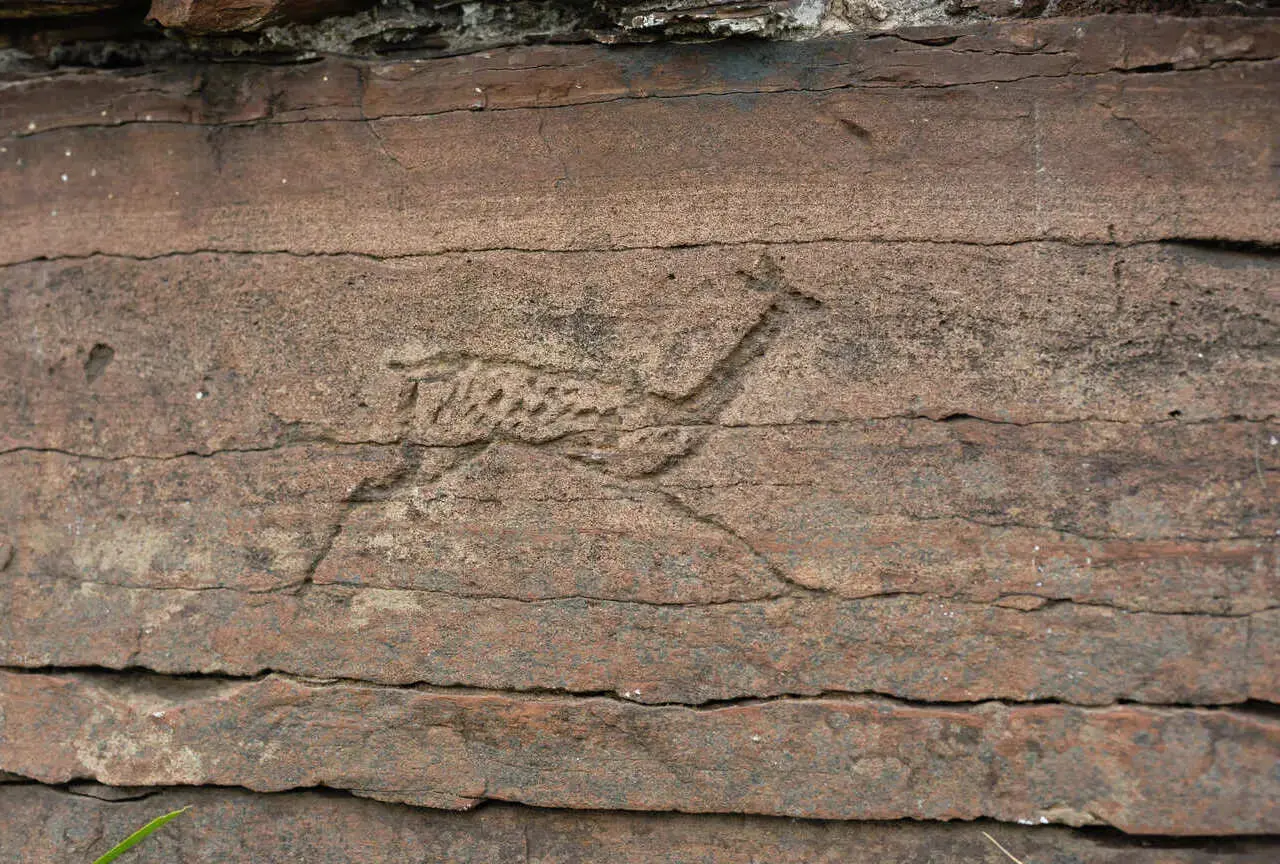
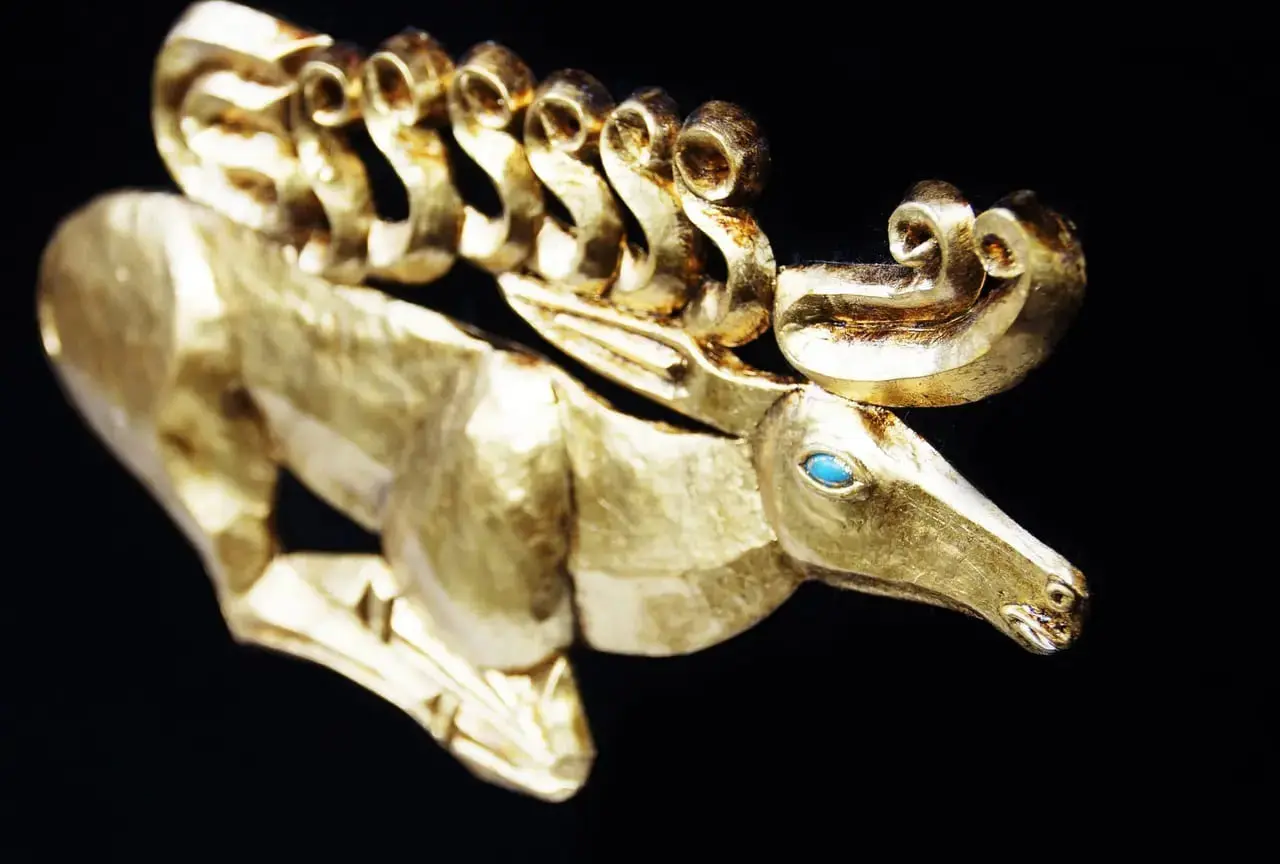
The monuments of the Tagar culture (7th century BC) are no less interesting. Almost all the burial mounds of the Khakass steppes date to this era. Some of their artifacts are similar to finds from the burial mounds of the famous Scythians of the Black Sea region; sometimes they even seem to have been made by the same artist. For example, the plaques in the form of a deer with tucked legs and branched antlers on display in the museum are strikingly reminiscent of the golden Scythian deer that can be seen in the Hermitage. It is no coincidence that experts have even coined the term "Scythian-Siberian world". The life of the people of that era is reflected in the famous Boyarskaya Pisanitsa – petroglyphs on the rocks of the Boyar Ridge. You can examine them in detail at the museum. Nearly 200 drawings depict houses and yurts, wild and domestic animals, as well as hunting, cooking, and other traditional scenes of village life.
Khakass Yurt
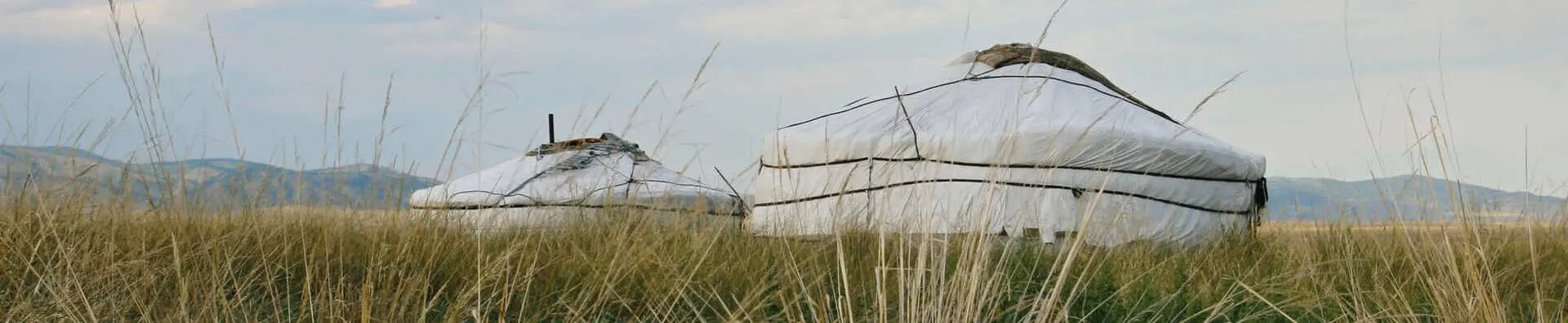
The ethnographic exhibition invites you to visit a Khakass yurt. Here you can see national costumes and children's toys, learn about the traditional Khakass way of life, and learn about the purpose of various objects.
A Nest of the Noble
This exhibition recreates the furnishings of a noble estate at the turn of the 19th and 20th centuries and is based on the collection donated to the museum by Irina Karachakova, a renowned sculptor and philanthropist, also known as "the last princess of Khakassia." The halls feature her works, personal belongings, paintings by Russian and Western European masters, decorative and applied art, and furniture from the 18th and 19th centuries.