



.svg)
.svg)
.svg)
.svg)
.svg)

.svg)

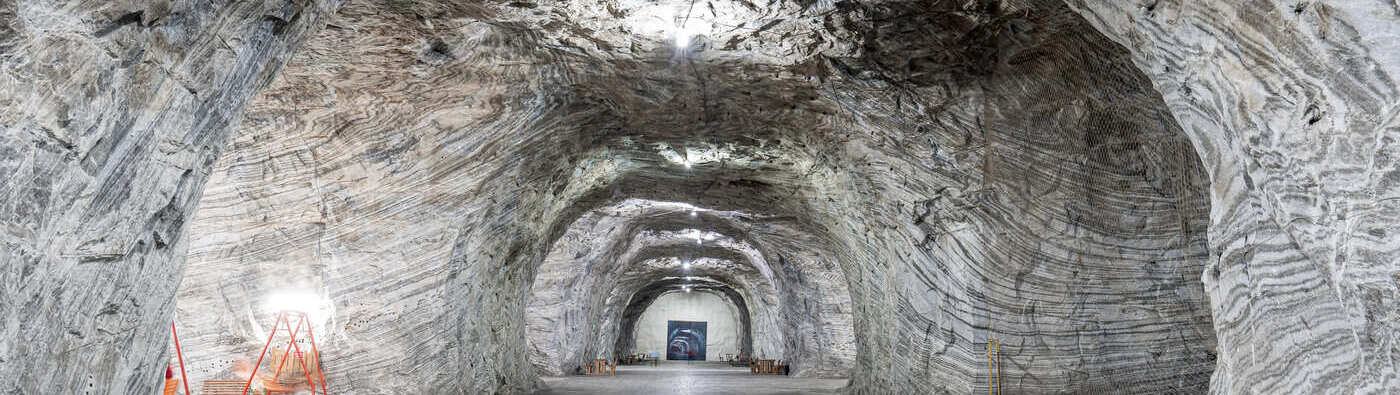


Sol-Iletsk is located in the Ural Mountains, 70 km south of Orenburg and just 5 km from the border with Kazakhstan. The city takes its name from the Ilek River, on which it is located, and the salt deposits that gave it its existence.

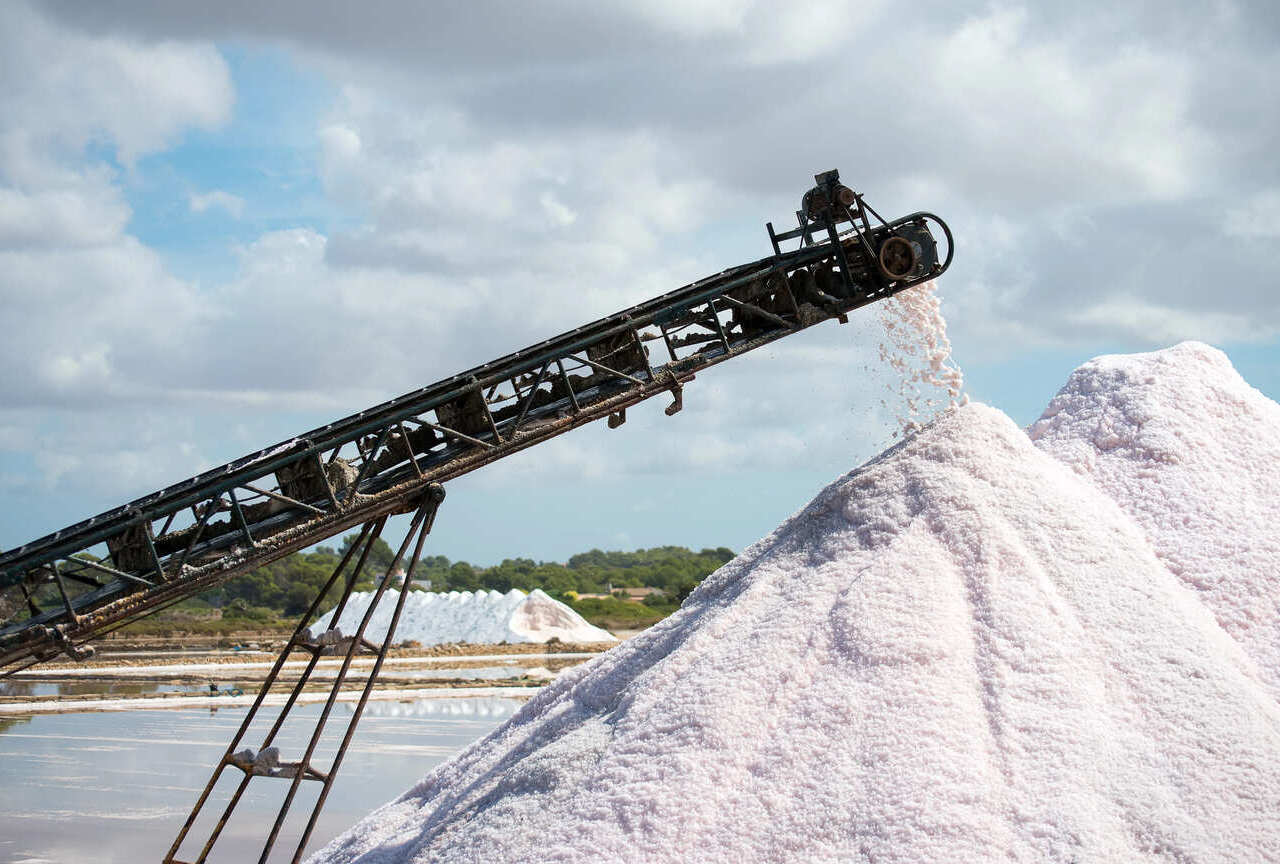
The town was founded in 1754 as the Iletsk Fortress to protect and house workers at the Iletsk salt mines. Salt had been mined here since the 16th century. Mikhail Lomonosov claimed that the quality of the local salt was the best in Russia. Since the late 19th century, open-pit mining was replaced by mines, and healing lakes formed on the site of the former salt mines.
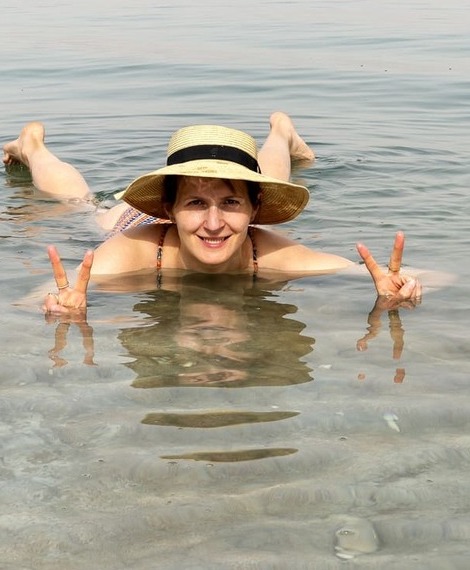
Today, Sol-Iletsk is home to a balneological resort. The local lakes are divided into three main groups:
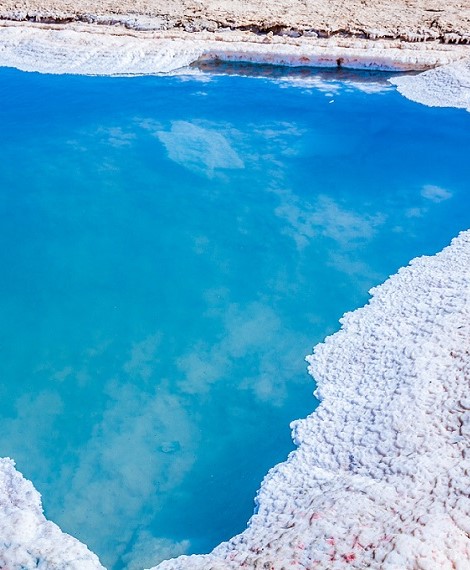
- Mineral (brine) lakes, in which the water is a saturated salt solution (brine) – Razval, Novoye.
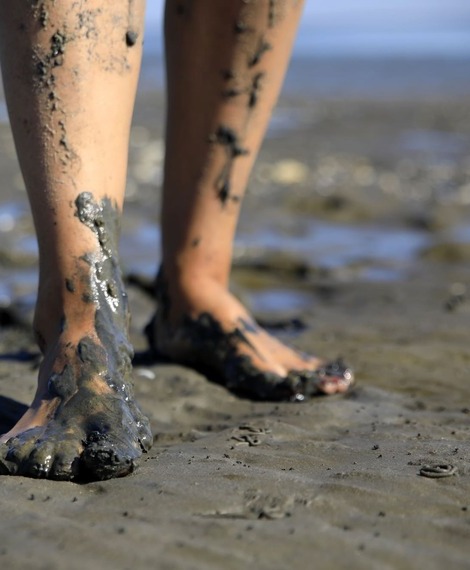
- Mud-brake lakes, which contain both brine and therapeutic mud – Tuzluchnoye, Dunino, Golodnye Voronki.
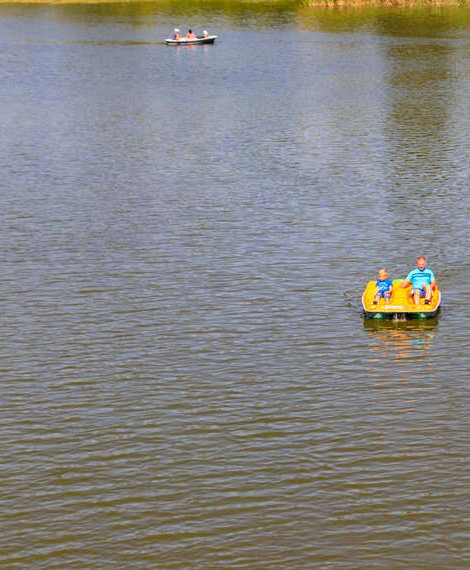
- Mud-mineral lakes with a low salt concentration – Big and Little City Lakes.
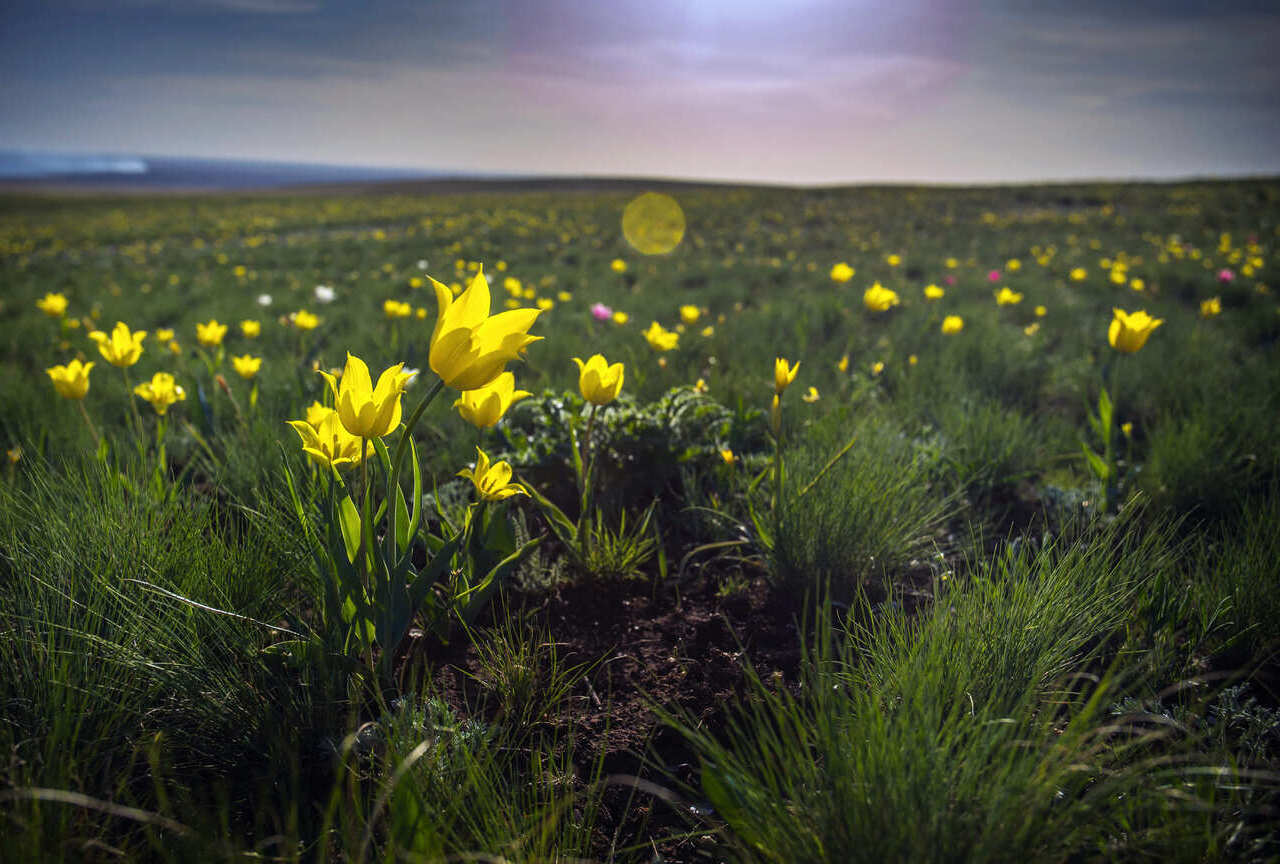
Besides the lake waters and mud, the dry steppe climate also has a healing effect on the body. It is also very favorable for melons, which have been grown here since the 19th century.
Today, Sol-Iletsk is called the watermelon capital of Russia; the city is famous for its so-called dryland watermelons. These watermelons have very long roots, grow without irrigation, and therefore have a particularly rich flavor. Every August, Sol-Iletsk hosts a watermelon festival.