



.svg)
.svg)
.svg)
.svg)
.svg)

.svg)

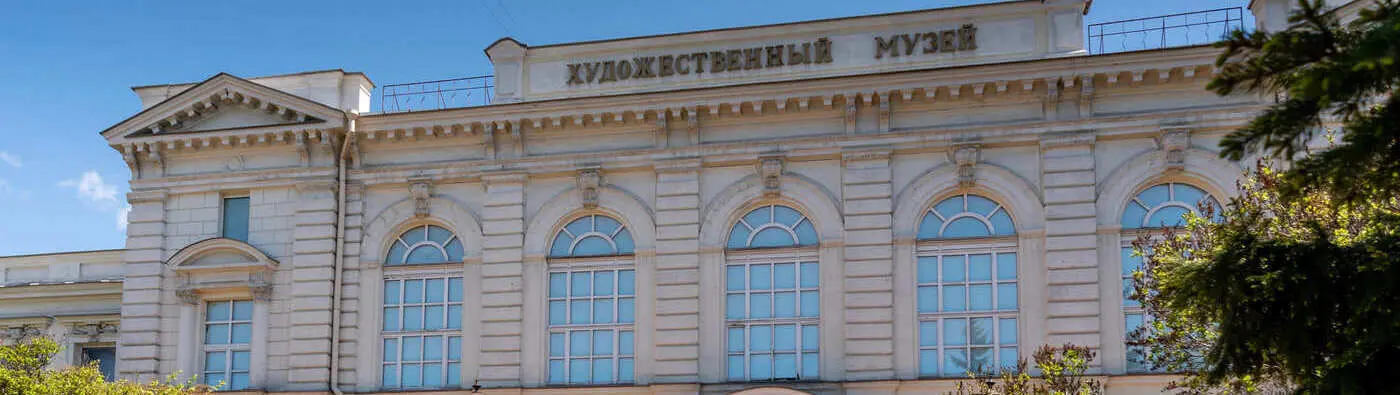


V.P. Sukachev Art Museum
5 Lenin Street.
The Irkutsk Art Museum is a complex of nine historic buildings. The main one, a two-story mansion from the 1900s, is located on Lenin Street. The museum's collection is based on that of Vladimir Sukachev, a public figure and philanthropist. His former country residence, a beautiful estate with a large park at 112 Dekabrskikh Sobytii Street, is now one of the museum's branches. Since the 1880s, the Sukachev Art Gallery has been open to the public, and in 1920 it became state property. The museum's collection contains approximately 23,000 works of painting and decorative and applied art. It features art from Russia, Europe, and the East—in particular, an extensive collection of Chinese and Japanese art. A separate section, "Art of Siberia," introduces monuments of the ancient cultures of the Baikal region, as well as works by Siberian artists, examples of Buryat art, and products from the Perevalov porcelain and faience factory.
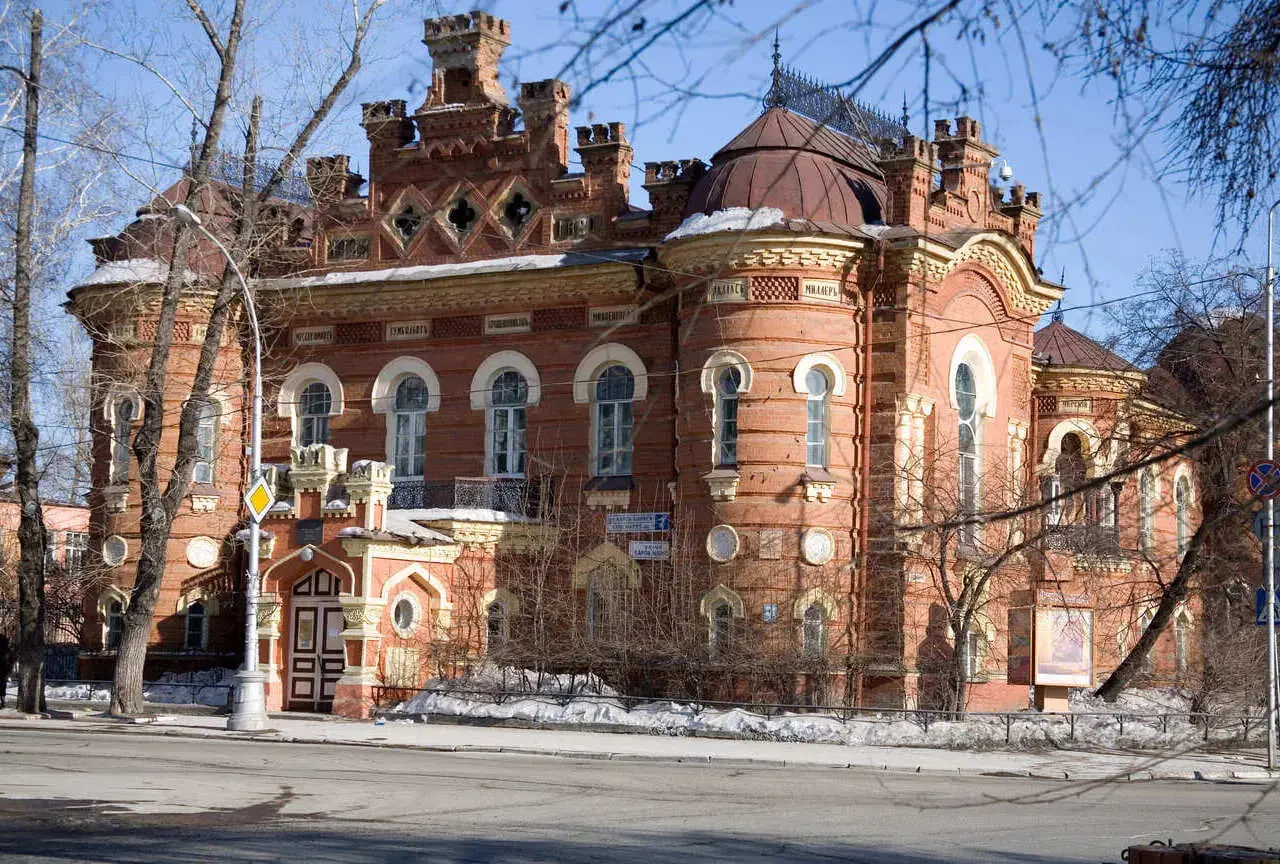
Local History Museum
Karl Marx Street, 2.
The Irkutsk Local History Museum, one of the oldest in Russia, was founded in the late 18th century – with personal funds from the governor and local merchants. In 1851, the museum was transferred to the Siberian Branch of the Russian Geographical Society and became a true scientific and educational center for the study of Siberia. Collections gathered by the expeditions of G. Potanin, V. Obruchev, and other explorers were transferred here. Unfortunately, more than 20,000 unique exhibits were lost in a fire in 1879 that destroyed a significant part of the city. However, a few years later, a new building was constructed for the museum, where it is housed to this day. The frieze bears the names of famous explorers of Asia: Bering, Wrangel, Humboldt, Pallas, Przhevalsky, and others. The history section located here displays finds made by archaeologists over the past two centuries, as well as exhibits about the Evenki and Tofalars – ancient peoples of Siberia, the culture and life of the Buryats, the exploration of the Angara region by Russian pioneers in the early 17th century, and the events of the turbulent 20th century.
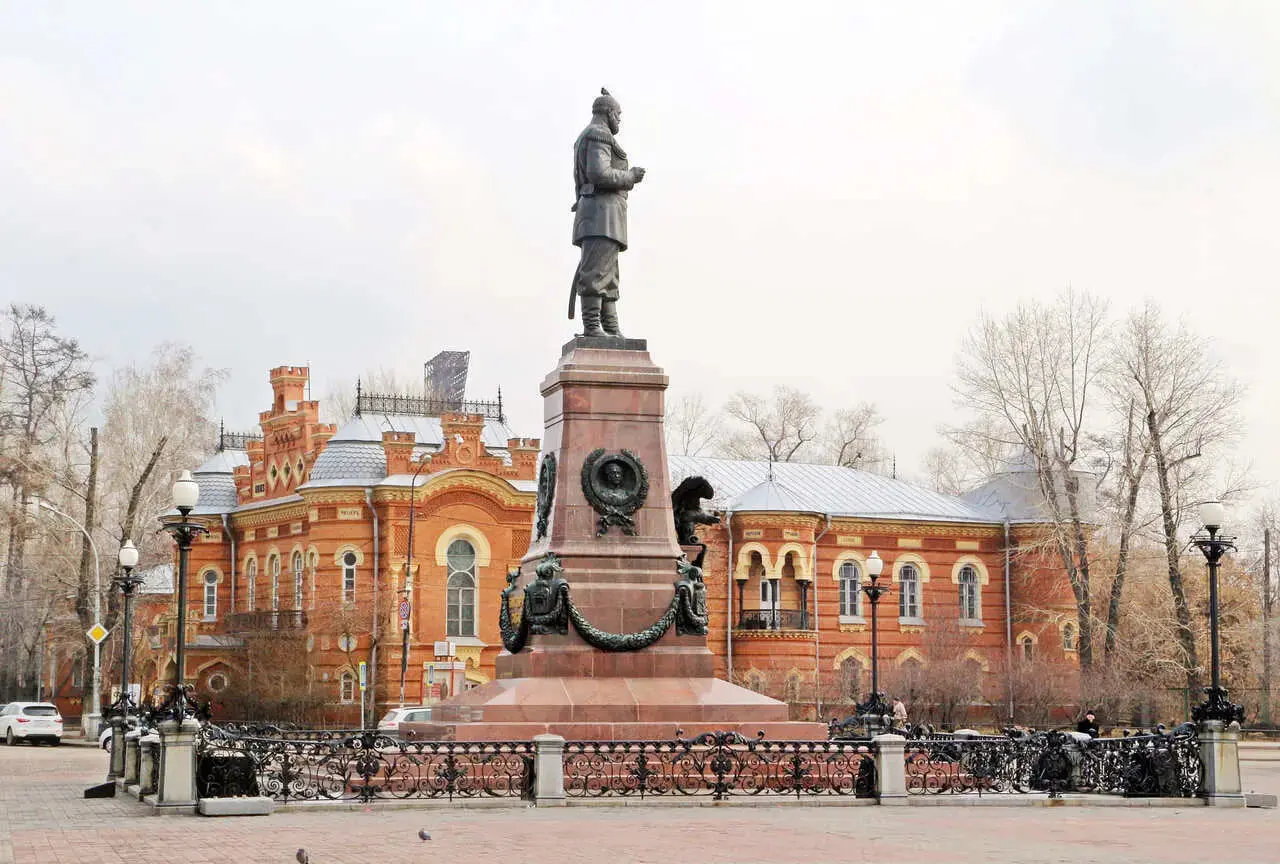
Alexander Garden
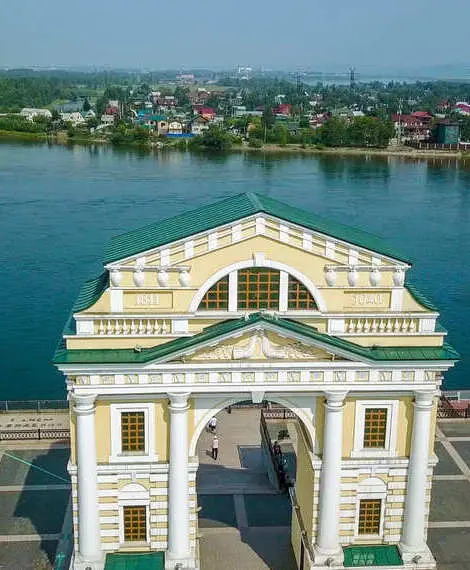
At the intersection of Karl Marx Street and Gagarin Boulevard stands the White House, the former residence of the governors-general of Eastern Siberia – a region stretching from the Yenisei River to the Pacific Ocean. In the 19th century, official embassy receptions were held here, and plans for the development of the Amur River were developed. In 1891, the last Russian emperor, Nicholas II, stayed here for several days, and in 1918, the first higher education institution in Eastern Siberia, Irkutsk State University, opened. Almost opposite the palace, on the embankment, stands the monument to Alexander III. It was erected with public donations in 1908, after the opening of the Trans-Siberian Railway – in gratitude for the construction of the road. The Alexander Square was laid out around the monument. After the revolution, it was renamed the Garden of the Paris Commune, and the monument to the emperor was torn down. In 1963, a tetrahedral spire honoring the pioneers was erected on the empty pedestal with the inscription "Grateful Siberia," and 40 years later, the tsar was returned to this spot. Steps descend from the square with the monument to the river, offering a beautiful view of the Angara River and the islands of Yunost and Konny.
Gagarin Boulevard
Gagarin Boulevard, stretching along the river for approximately 2 kilometers, was once called the Angara Embankment, and then Vuzovskaya Embankment – because several buildings of Irkutsk State University are located here. The boulevard received its current name in 1961 in honor of the first manned space flight. Initially, it was a commercial and craft district of the city, home to residential buildings, wharves, and fishmongers. In the 19th century, merchant estates and the residence of Irkutsk mayors, and later – the governor-generals of Eastern Siberia – appeared here. Many buildings have survived to this day – For example, the Sibiryakov Palace, nicknamed the "White House," the Kuznetsov Hospital, and the building of the Institute for Noble Maidens, which now houses the Physics and Mathematics departments of Irkutsk State University. Before reconstruction in the 1960s and the construction of the Irkutsk Hydroelectric Power Station, the embankment was frequently flooded, sometimes reaching as far as what is now Kirov Square. The last major flood occurred in 1952, forcing residents to seek refuge on the upper floors of buildings. Today, the boulevard is perfect for leisurely strolls. In the warmer months, it offers not only river views and architectural beauty, but also picturesque paths with colorful flowerbeds and flowering shrubs.
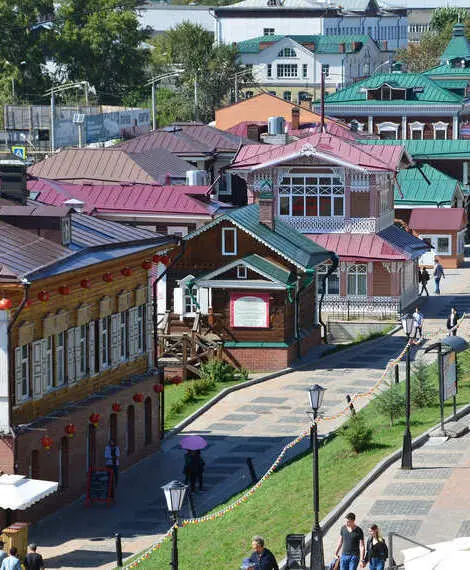
Walking through the city center, you can also explore Irkutsk Sloboda, take the scenic route from the Lower Embankment to Kirov Square, and see an icebreaker "Angara".