



.svg)
.svg)
.svg)
.svg)
.svg)

.svg)




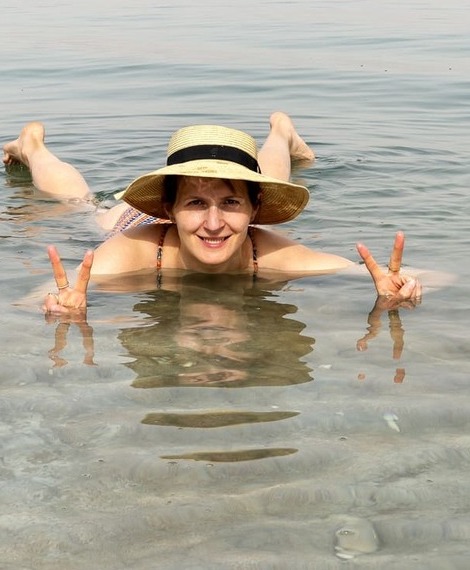
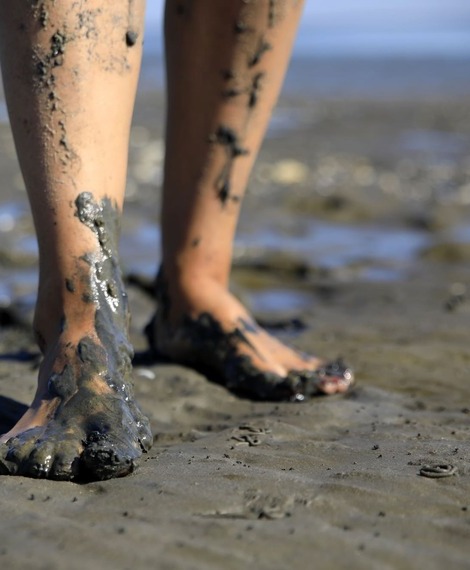
Sol-Iletsk is a unique Russian town that emerged on the site of a large Iletsk salt deposit and later developed into a health resort and salt tourism center. This place is called the "Russian Dead Sea" due to the high salt concentration in the lakes. To soak in salt water, don't travel to Israeli resorts; head to the southern Orenburg region. Besides the lakes and natural attractions, there's much to see here.
Local History Museum
Location: Sol-Iletsk, 18 Tsvillinga Street.
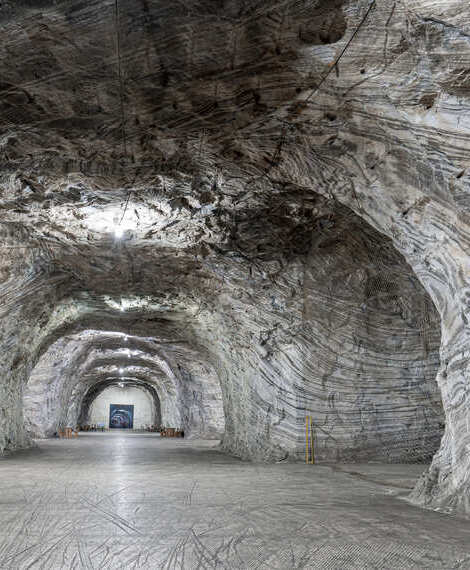
The collection of exhibits for the future museum was assembled by history teacher Nina Krasovskaya since 1967. They currently occupy two floors of a building on the former Nasledovskaya Street. The ground floor houses four exhibition halls, while the ground floor houses an exhibition hall and a reconstruction of a 19th-century salt mine.
The museum displays fossils found on the territory of modern-day Sol-Iletsk, archaeological artifacts, and representatives of local flora and fauna. The museum's curators have also prepared an exhibition on the history of the salt industry from the 16th to the 18th centuries.
Church of Our Lady of Kazan
Location: Sol-Iletsk, Razin Street, 50.
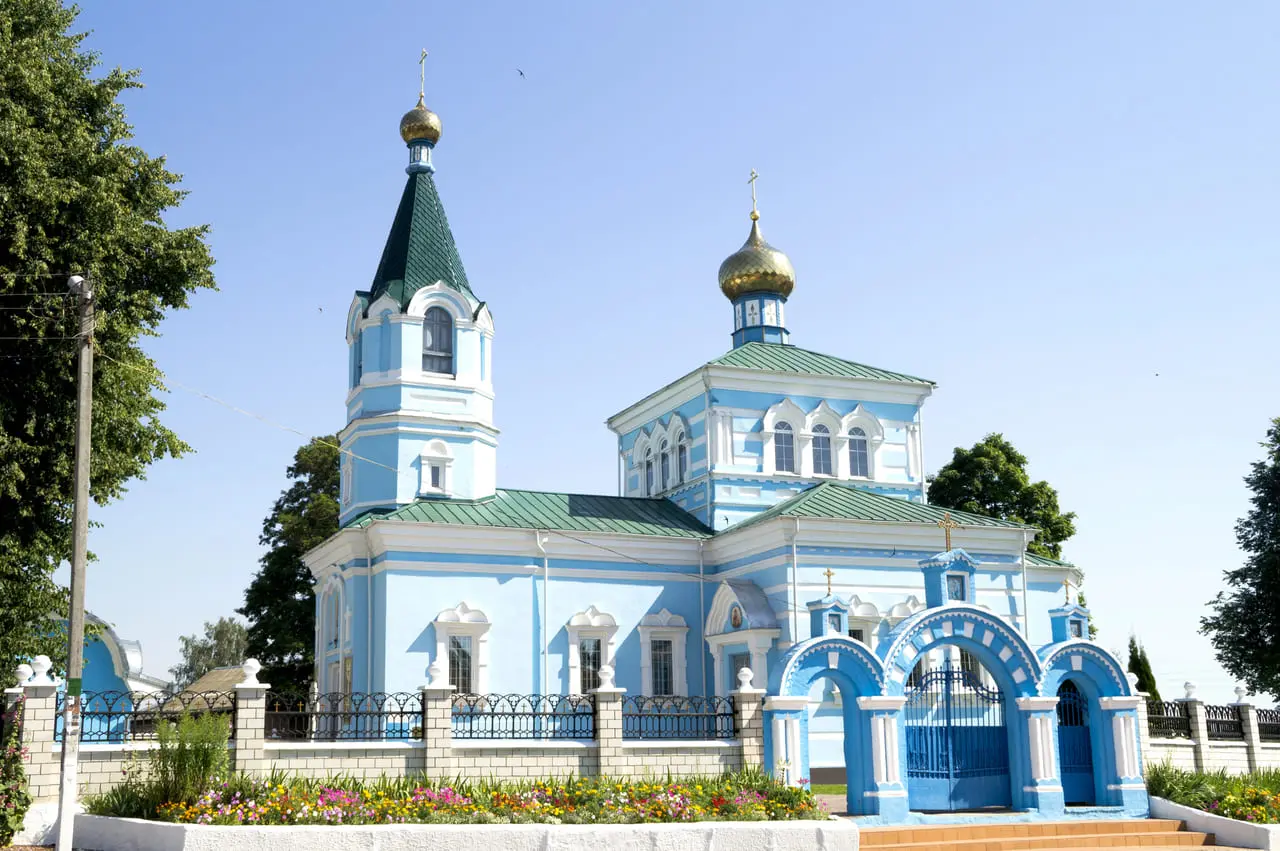
The church, in the Russian-Byzantine style, was built between 1902 and 1904. Before its construction, a simple house stood on the site. The owner of the house was a devout woman, and when the Virgin Mary appeared to her in a dream and told her that a church should be built, she donated her land for construction.
Soon, the first service was held at the Church of Our Lady of Kazan. It is one of the few churches to survive the Civil War, the Great Patriotic War, and the Bolshevik era. Even during religious persecution, the church was closed for only a few years and began accepting parishioners again in 1946.
Sol-Iletsk Melon Batch
When: From mid-July to late August.
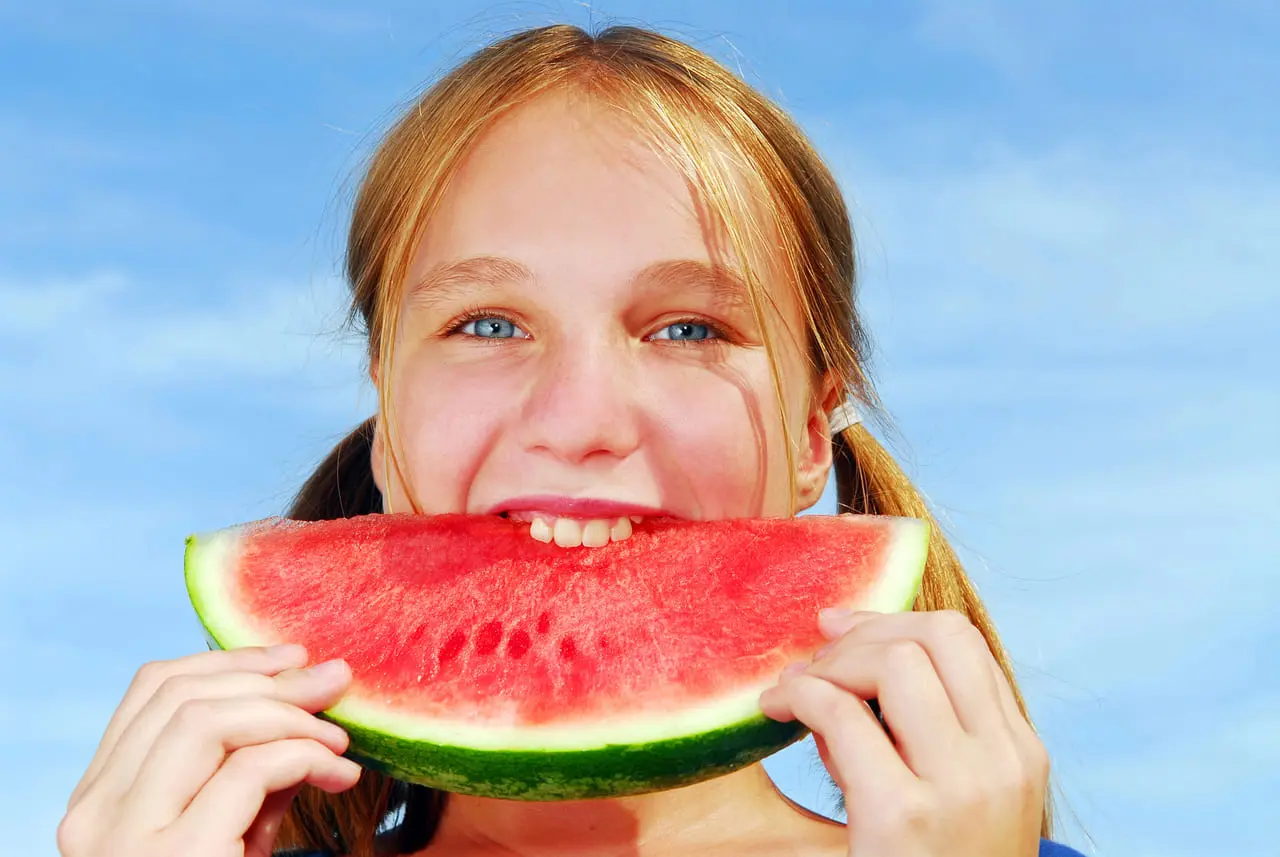
It is said that every third watermelon in Russia is grown in Sol-Iletsk. Melon cultivation in the region has been going on since 1889. The watermelon yield here is very high – 70 centners per hectare. This is facilitated by the warm climate, plenty of sunshine, and low rainfall.
Tourists can take tours of the melon patch, and in mid-August, the town hosts the annual "Sol-Iletsk Watermelon" festival. The famous traveler Fyodor Konyukhov is a frequent guest at the event.
Ethnographic Complex "Cossack Kuren"
Location: Orenburg Region, Grigoryevka village (20 kilometers from Sol-Iletsk).
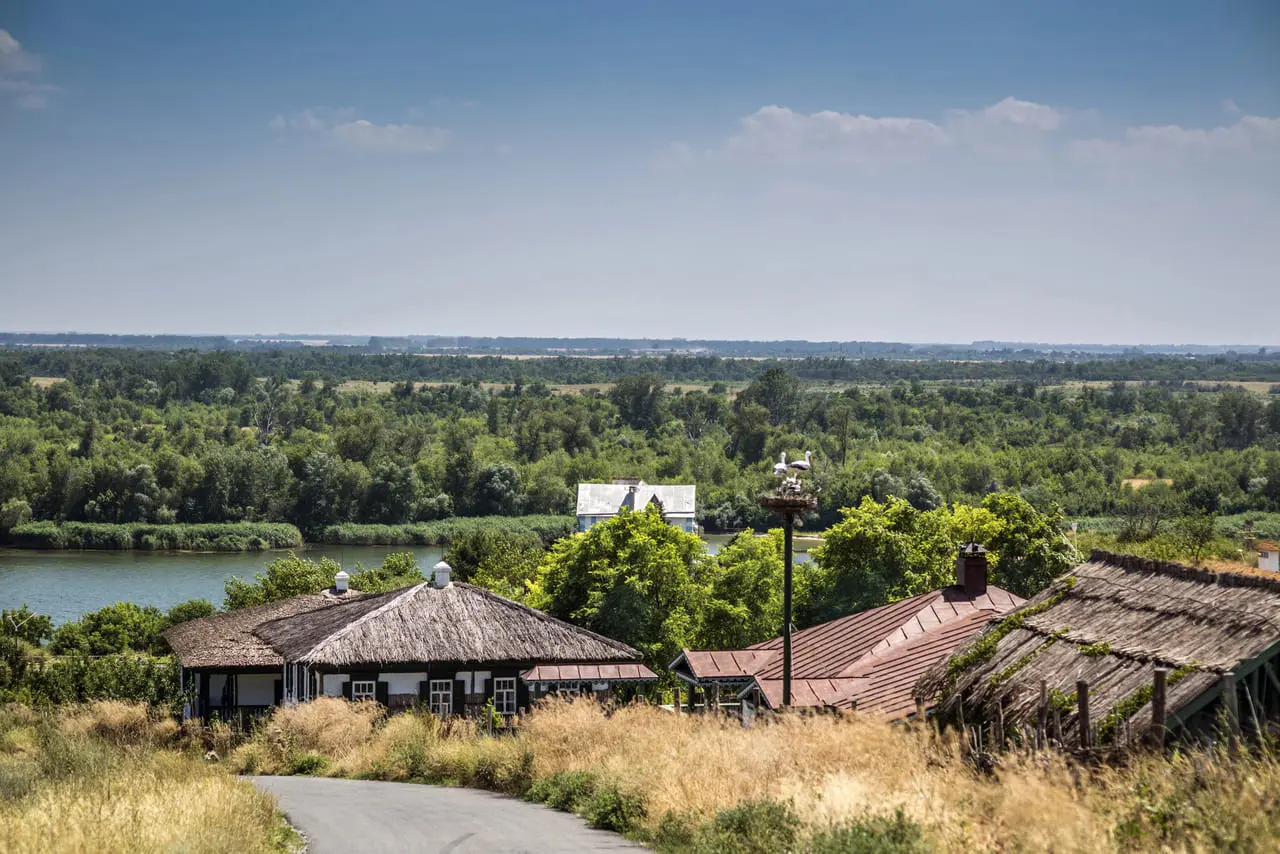
The open-air museum opened in 2000 on the banks of the Kurala River. The 19th-century courtyard contains granaries and a stable for Don horses.
Cossacks settled in two-story houses built of adobe brick and wood. After dispossession, their dwellings became more modest, but the rooms inside were traditionally arranged in a circle. Hence the name "kuren" (round).
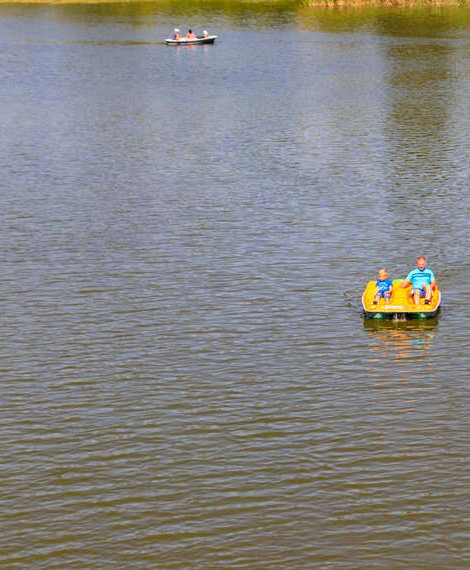
Orenburg Cossacks ate simple food – Borscht, fish stuffed with porridge, and field pies washed down with natural kvass. Visitors to the museum complex will be invited to the table and seated on opposite sides: women on one side, men on the other, as is traditional among the Cossacks. After a delicious lunch, you can go horseback riding or boating.
"The Wanderer's Abode" by Fyodor Konyukhov
Location: Orenburg Region, Tamar-Utkul village (10 km from Sol-Iletsk).
The famous traveler hails from the Zaporizhzhia Region, but loves the Orenburg region with all his heart. He comes here, to Tamar-Utkul, with his wife Irina and son Nikolai almost every year.
The one-story house with its whitewashed walls is hung with maps, newspaper clippings, travel sheets – everything that reminds one of Konyukhov's records. On the grounds of this unique museum stands a wigwam covered with animal skins, and Moses the donkey wanders around it. Sometimes, comrades from the Orenburg Cossack Host, into whose ranks he was accepted in 2015 for his special services to the region, visit Konyukhov's monastery.