



.svg)
.svg)
.svg)
.svg)
.svg)

.svg)

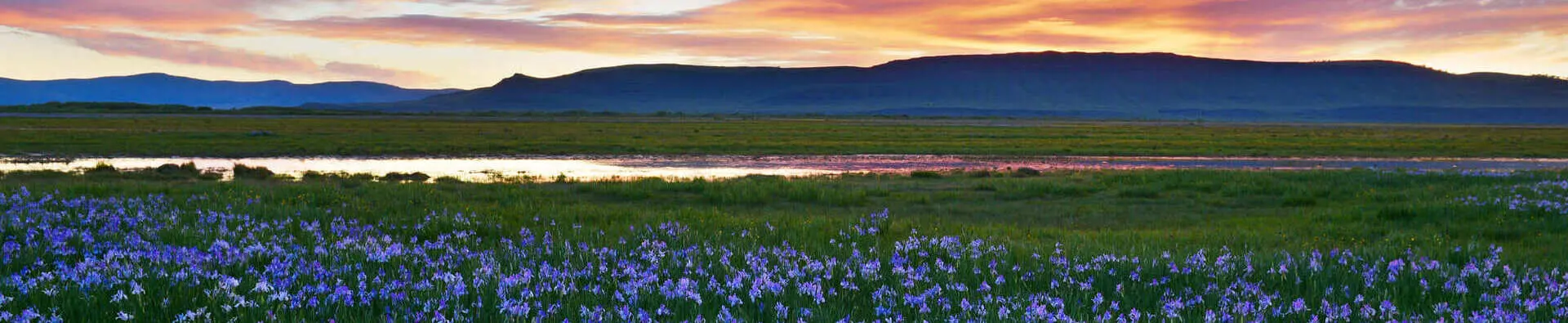


The area of the Khakass Nature Reserve is almost 2,700 km2. It consists of 9 different sections: 7 of them are steppe and 2 are mountain taiga. You can start exploring the natural attractions of the republic already in Abakan. Here, in the building of the organization's head office (164 Tsukanova Street), the Nature Museum is located. You will learn what is remarkable about each of the reserve's sections, and perhaps choose further routes.
"Oglakhty"
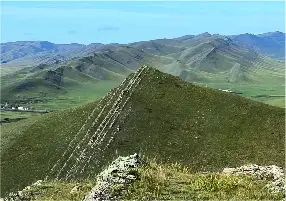
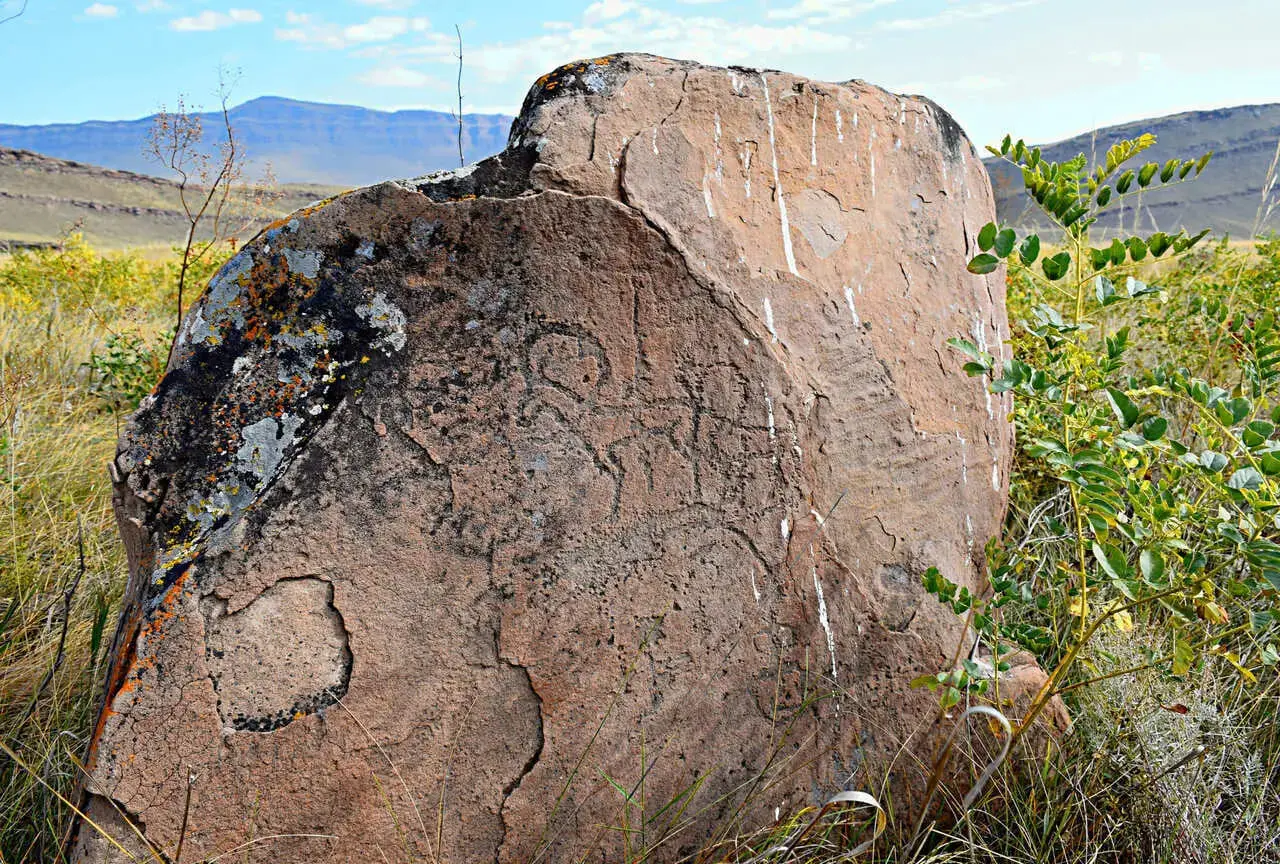
The "Oglakhty" site, located 50 kilometers from Abakan, is one of the most beautiful corners of Khakassia. The steppe expanses delight with a variety of colors from spring to late autumn, and Sorok Zubyov Mountain offers a stunning view of the Yenisei Gates—the confluence of three rivers: the Yenisei, Abakan, and Tuba, guarded by four sacred Khakassian mountains: Tepsei, Sukhanikha, Kyun Tag, and Oglakhty. In addition to its natural beauty, these areas are famous for their archaeological sites: rock carvings, burial mounds, and the remains of an ancient fortress. The Oglakhtinsky Range petroglyphs are considered the largest rock art gallery in Khakassia. A 965-step staircase leads to them. Some of the drawings are at least 5,000 years old. At the foot of the mountain is the "Ancestral Village," where the ancient dwellings of the peoples who once inhabited the area have been recreated. A special paleontological route will take you on a journey into even more distant times. The waves of an ancient ocean once roared in the Khakassia-Minusinsk Basin, then gave way to prehistoric forests, ancient lizards roamed among giant plants, and huge insects circled the air.
Lake Bele and Mount Chalpan
Lake Bele is the largest mineral water reservoir in Khakassia. It covers an area of 75 km² and reaches a depth of 48 meters. Its water mineralization is comparable to seawater. Interestingly, the lake is divided by a sandy isthmus, so in one part the water is salty, while in the other it is almost fresh. Mount Chalpan rises on the isthmus, reaching a height of 586 meters, on which the remains of a fortress wall built over 2,000 years ago remain. At the foot of the mountain, archaeologists have found burial sites of the Tagar and Tashtyk cultures (from the 7th century BC to the 5th century AD), and numerous petroglyphs have been discovered on the slopes. The oldest images were made in the 2nd millennium BC, and the latest in the 8th and 9th centuries AD. The Chalpan petroglyphs are a unique graphic chronicle of the history of the peoples who inhabited the Yenisei plain, beginning with the Early Bronze Age. The mountain offers a magnificent view of Lake Bele, and in clear weather, the spurs of the Kuznechny Alatau, Mount Ostraya, and the salt lake Tus, which is called the analogue of the Dead Sea, are visible from here.
Lake Shira
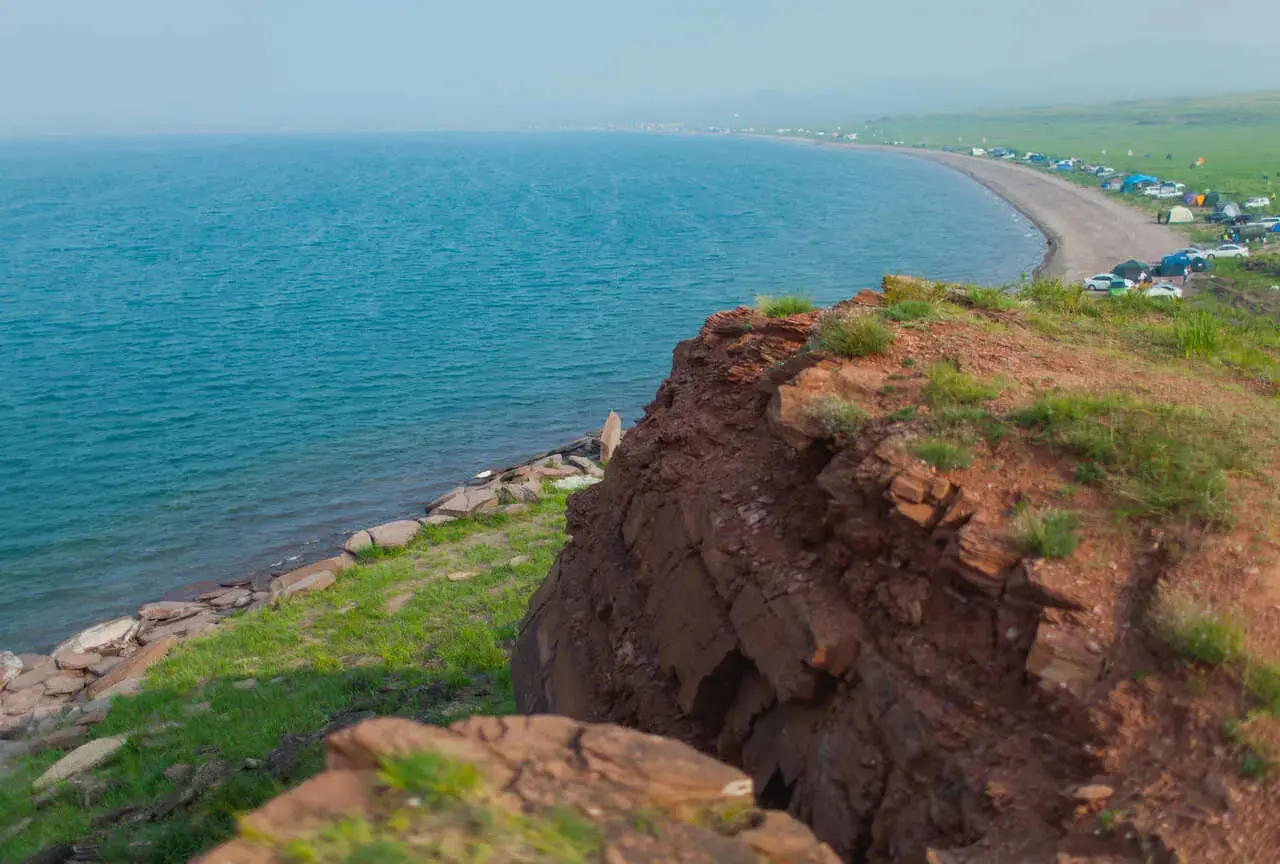
Not far from Lake Bele, in a shallow mountain basin, lies Lake Shira, Khakassia's "most resort-like" lake. The healing properties of its water and mud have been known since ancient times; it's no coincidence that numerous stone steles and menhirs have been found in the area around the lake. At the end of the 19th century, the first resort in the Yenisei province was opened here. The gently sloping steppe shores of the lake are covered with a layer of sand, creating comfortable beaches. The combination of dry steppe and humid lake air also gives the local climate a healing effect.
LakeItkul
3 kilometers from Lake Shira and 100 meters higher in elevation lies the republic's largest freshwater body – Lake Itkul, whose water can rival Lake Baikal in purity. Due to its many underground springs (more than 50), the lake's water is quite cold. Itkul's shores are quite diverse, featuring mountains and forests, steppes and wetlands, home to over 100 species of birds. Much of the coastline is part of the Khakassky Nature Reserve, where an ecological trail has been established. Mount Soldatskaya is located near the lake. Its low elevation is 625 meters above sea level, but the summit offers a magnificent view of the surrounding lakes. It's no coincidence that this mountain's second name is Semiozerka.