




.svg)
.svg)
.svg)
.svg)
.svg)

.svg)




Therapeutic mud is a rich silt that accumulates at the bottom of salt lakes and estuaries and consists of a mineral base (soil, sand, clay) coated and bonded with gelatinous organic matter.
The mud forms as a result of living organisms decomposing without oxygen. Proteins contain sulfur, which cannot be fully oxidized and is released as hydrogen sulfide.
External use of therapeutic mud:
- Therapeutic mud treatment for skeletal diseases (silt sulfide mud from Lake Tambukan).
- Electrophoresis of medications for bone pathology.
- Application of medication to the oral mucosa.
- Insertion of rectal mud tampons for colon diseases.
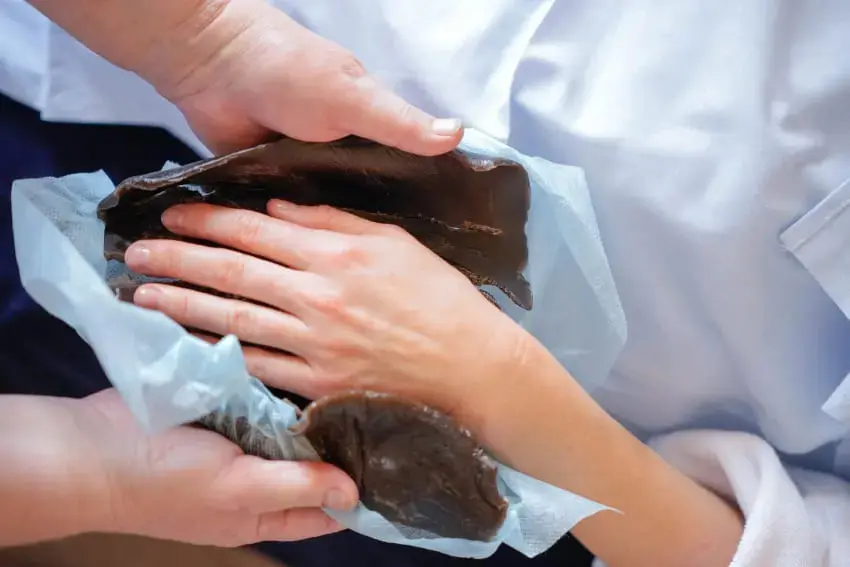
Mud applications can be used to treat musculoskeletal disorders:
- arthritis;
- inflammatory joint diseases;
- polyarthritis;
- consequences of injuries, etc.
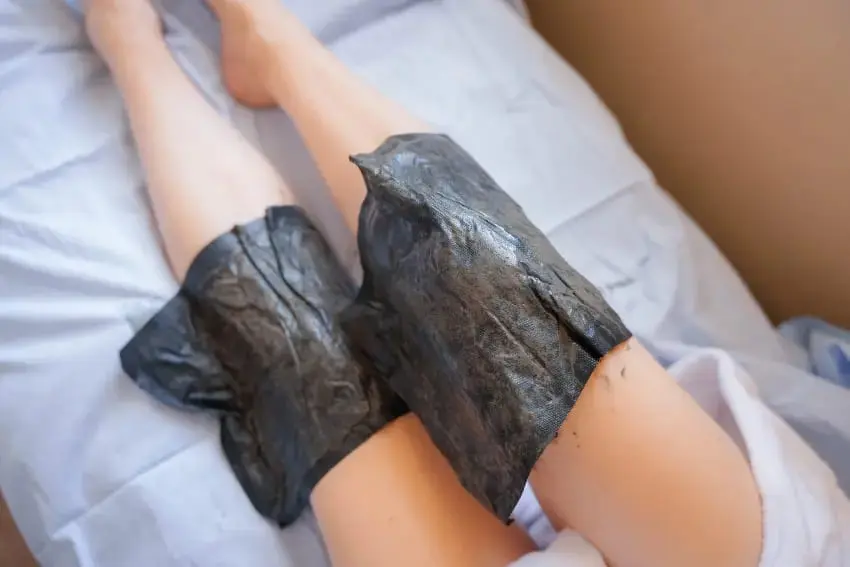
Treatment of digestive diseases is also possible:
- peptic ulcer disease (out of exacerbation);
- hepatitis;
- cholecystitis;
- enterocolitis;
- colitis;
- gastritis, etc.